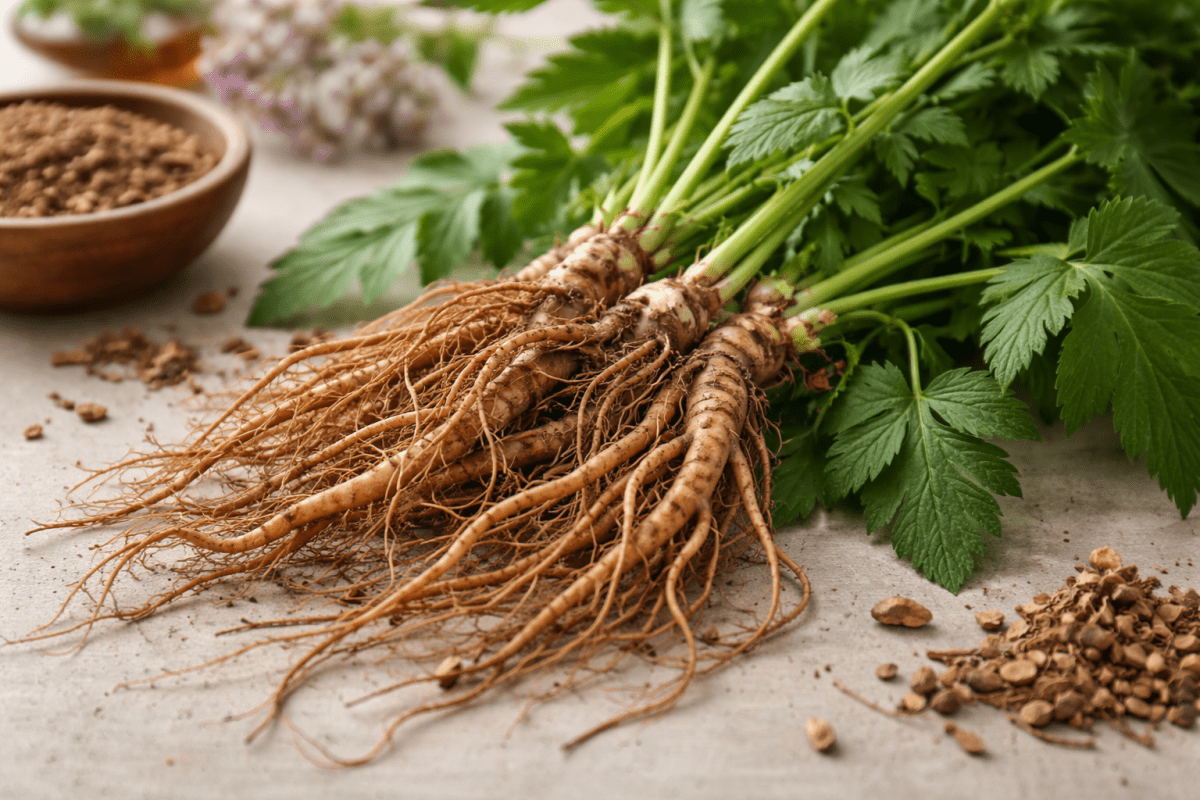
Valerian root comes from the plant Valeriana officinalis, a flowering herb native to Europe and parts of Asia. The root has a long history of use in traditional herbal practices, especially in relation to relaxation and sleep support.
Today, valerian root is commonly available in teas, capsules, tablets, and liquid extracts. People’s experiences with valerian can vary, and the strength of effects may depend on the preparation and individual sensitivity.
What Is Valerian Root?
Valerian is a perennial flowering plant, and the part most often used is the root. Valerian root has a distinctive aroma and is typically dried before being used in supplements or herbal preparations.
Traditional Uses of Valerian Root
Historically, valerian root has been used across several traditional systems to promote calmness and rest. In European herbal traditions, it was commonly prepared as a tea or tincture during periods of nervous tension or restlessness.
Potential Benefits of Valerian Root
Valerian Root and Sleep
Valerian root is most commonly associated with sleep support. Some people use valerian as part of an evening routine to encourage relaxation before bedtime.
Unlike conventional sleep aids, valerian is not typically described as an immediate sedative. Many discussions of valerian focus on gradual effects, which may be influenced by consistent use and individual response.
Valerian Root and Relaxation
Valerian root is also associated with relaxation and stress support. Some individuals report a calming effect during periods of mild nervousness or tension, although responses can differ widely.
What Does Research Say About Valerian Root?
Research on valerian root has produced mixed findings. Some studies suggest it may help with sleep quality or the time it takes to fall asleep, while others show limited or no measurable effect.
One reason results can vary is that studies often use different preparations, doses, and participant groups. Because of these differences, it can be difficult to draw firm conclusions, and valerian continues to be studied.
Safety, Side Effects, and Considerations
Valerian root is generally considered safe for short-term use in healthy adults when used as directed. However, some people report side effects such as headache, dizziness, or digestive discomfort.
Valerian may interact with certain medications, particularly those that affect the central nervous system. It should not be combined with alcohol or sedative medications without medical guidance.
Who Should Be Cautious With Valerian Root?
Certain groups should use extra caution or seek professional guidance before using valerian root, including:
- People who are pregnant or breastfeeding
- Anyone taking prescription sleep aids, sedatives, or anxiety medications
- Individuals with liver conditions or complex medical histories
If you are unsure whether valerian root is appropriate for you, consider speaking with a qualified healthcare professional.
Frequently Asked Questions About Valerian Root
Is valerian root safe to use regularly?
Valerian root is commonly used short-term. Long-term regular use has not been studied as extensively, so ongoing use is best discussed with a healthcare professional—especially if you take other medications or have health conditions.
Does valerian root work immediately?
Valerian root is not typically fast-acting for everyone. Some people report gradual effects, and experiences can vary based on the product type and individual sensitivity.
Can valerian root cause drowsiness the next day?
Many people do not report next-day drowsiness, but some do. Individual responses vary, so it may be sensible to monitor how you feel the next day if you try valerian.